

DLD affects 1 in 14 children, yet it remains one of the most misunderstood special educational needs. Whether you’re looking to build your knowledge or develop practical strategies, our DLD collection brings together expert resources, blogs, magazine articles, Link Live recordings and specialist support to help you make a difference.
This collection is available free to everyone until the end of October. After that, you’ll need a free Link Community membership to continue exploring the resources and accessing new content.
Ready to strengthen your support for children and young people with DLD?

How might DLD impact a child or young person in your setting?
Children and young people with DLD can experience difficulties understanding and using language, which may affect their learning, friendships, confidence and emotional wellbeing. They might find it harder to follow instructions, learn new vocabulary, express their ideas or join in with conversations. With early identification and the right support, however, children and young people with DLD can build on their strengths, access learning successfully and thrive within their setting.
Looking for additional support?
Our support packages provide practical strategies, tailored guidance, resources and training to help your setting confidently identify and support children and young people with DLD.
Free Resources
At The Link Community, we’re passionate about providing easy access to information, resources, and practical support to help you meet the needs of children and young people with speech, language and communication needs (SLCN) within your setting.
We know that finding high-quality resources can take both time and money, so we’ve brought together a selection of our DLD resources in one convenient place for you to explore.
We hope you find the resources below useful, informative, and inspiring. Be sure to check back throughout October, as we’ll be adding even more content and resources to this collection.
The Link magazine articles
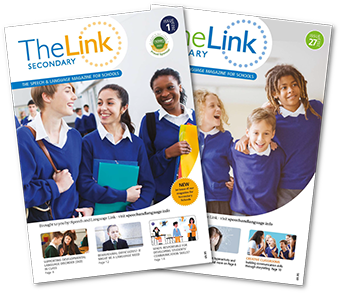
The Link magazine is committed to sharing evidence-informed guidance, practical strategies and inspiring stories that support children and young people with SLCN.
Raising awareness of DLD is an important part of that commitment.
Through regular features from leading experts in the field, alongside lived experiences from individuals and families, we help shine a light on DLD while continuing to explore the wider issues that impact communication, inclusion and outcomes.
Camouflaging communication needs
– how children with DLD hide in plain sight

SLCN Blog articles
The Link Blog provides regular articles, practical ideas and expert insights on speech, language, communication and inclusion. While it covers a broad range of topics, DLD is a regular focus, with contributions from specialists and people with lived experience helping to raise awareness and share effective support strategies.
Here are two DLD-focused blogs from The Link Blog:
Developmental Language Disorder – The Voice of the Children and Young People – Shelley Parkin
DLD And Me: Supporting children and young people with Developmental Language Disorder
Check out what else is on the SLCN Blog
The Link Live Sessions
The Link Live Speech & Language Day is our online annual speech and language conference and is free to Link Community members.
The event brings together presentations from leading voices from across speech, language and communication and DLD is a frequent topic, with experts sharing their knowledge, experiences and perspectives. Through these sessions, attendees can discover new ideas, hear different perspectives and gain a deeper appreciation of the challenges and strengths associated with DLD.
Access two of our DLD-focused sessions:

RADLD
RADLD (Raising Awareness of Developmental Language Disorder) is an international organisation that works to increase understanding of DLD, a hidden but common condition affecting around 1 in 14 people. It provides information, resources and awareness campaigns, including the annual DLD Awareness Day (#DLDday), to help ensure people with DLD are recognised, understood and supported.
Visit RADLD